Bianca Sullivan · 7 September 2026
Youth Hands-On Training Bolsters Conservation Efforts in Delicate Northern Environments
Programs focused on practical skill development for young people have expanded across fragile northern habitats in recent years, with initiatives emphasizing direct engagement in ecosystem monitoring, habitat restoration, and data collection techniques. These efforts target regions including the Canadian Arctic, northern Scandinavia, and Siberian tundra zones where permafrost thaw and shifting vegetation patterns present ongoing challenges, according to reports from environment agencies in multiple countries.
Program Structures and Regional Approaches
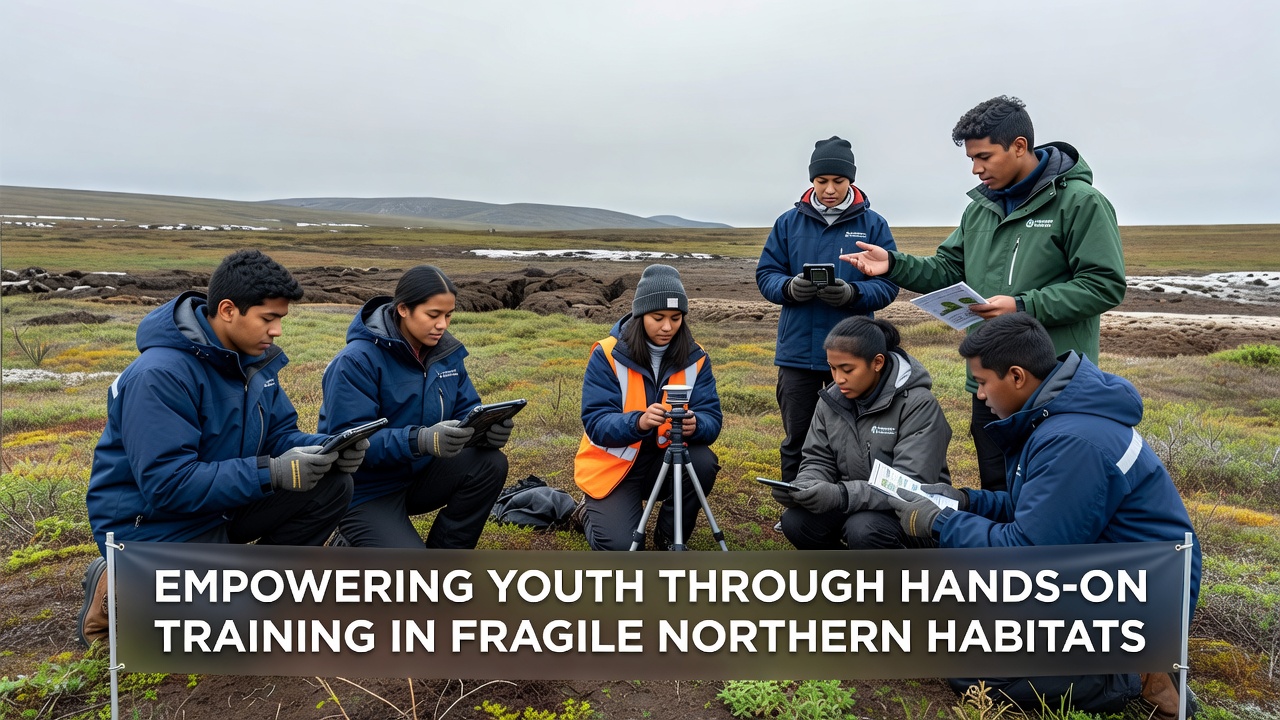
Training modules combine classroom instruction with extended field placements, allowing participants to apply methods such as soil sampling, wildlife tracking, and remote sensing equipment operation while working alongside established researchers. In Canada, federal programs coordinated through natural resources departments have documented participation rates exceeding several hundred youth annually across northern territories, while similar structures in Norway integrate Sami community knowledge with standardized scientific protocols. Sessions scheduled for September 2026 will incorporate updated protocols for tracking permafrost stability following recent international data releases on ground temperature trends.
Observers note that these programs often span multiple weeks in remote locations, requiring participants to navigate logistical demands of limited infrastructure and variable weather conditions. Partnerships between academic institutions and local organizations facilitate access to sites where hands-on activities directly contribute to long-term monitoring datasets maintained by government bodies.
Skill Development and Participant Outcomes
Participants acquire competencies in GPS navigation, biological specimen preservation, and basic statistical analysis of field observations, skills that align with entry-level positions in environmental consulting and research support roles. Data from program evaluations indicate that completers frequently transition into further education pathways or seasonal employment with agencies responsible for habitat management. Research indicates that repeated exposure to field conditions builds familiarity with equipment calibration and safety procedures essential for work in areas with extreme seasonal light variations.
One study revealed that cohorts trained in northern Sweden demonstrated measurable improvements in identification accuracy for key plant species used in restoration projects, with follow-up assessments conducted six months after program completion. Such outcomes reflect structured progression from introductory exercises to independent task execution under supervision.
Environmental Monitoring Contributions
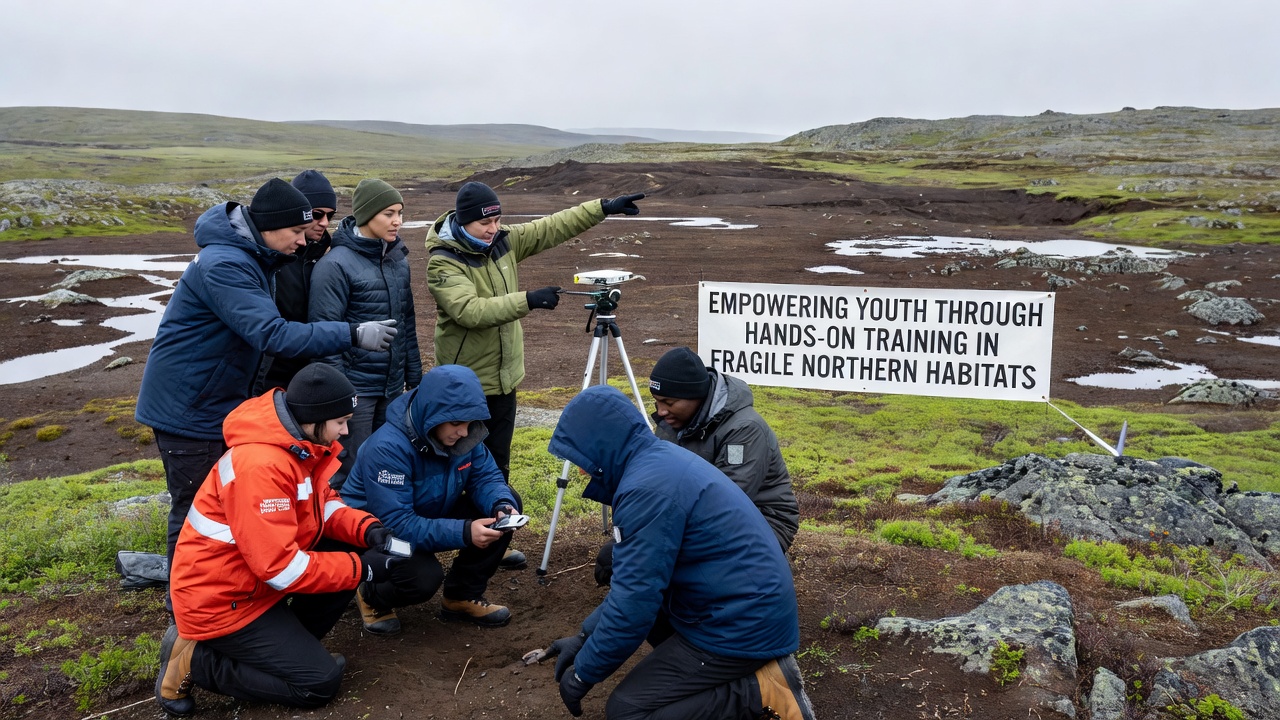
Collected data from these training activities feed into broader databases used by organizations such as the Government of Canada climate programs and the Arctic Council working groups. Measurements of vegetation cover changes and water quality parameters gathered during youth-led surveys have supplemented official records in several subarctic watersheds, providing denser spatial coverage than professional teams alone could achieve. Figures from 2025 field seasons show thousands of individual data points contributed through such channels.
But here's the thing: integration of these datasets requires rigorous quality control steps, including cross-verification with satellite imagery and senior researcher review. What's interesting is how programs in Finland have incorporated automated sensor networks maintained partly by trained youth, reducing gaps in continuous monitoring during winter months when access proves difficult.
Community and Institutional Partnerships
Local Indigenous groups participate in curriculum design to ensure cultural relevance alongside technical content, while universities supply laboratory facilities for sample processing after field returns. Funding streams from national science foundations and regional development funds support equipment purchases and travel logistics. Reports from the Norwegian Polar Institute highlight collaborative models that have operated for over a decade in Svalbard and mainland northern territories.
Observers note that these arrangements create feedback loops where community observations inform research priorities and training content evolves based on emerging environmental pressures such as increased coastal erosion rates documented in recent assessments.
Conclusion
Hands-on training initiatives continue to supply structured pathways for youth engagement with northern habitat management, generating both workforce capabilities and supplementary environmental datasets. Ongoing program expansions scheduled through 2026 reflect sustained institutional commitment across participating regions, with outcomes tracked through established reporting mechanisms from government and academic sources.