Bianca Sullivan · 2 September 2026
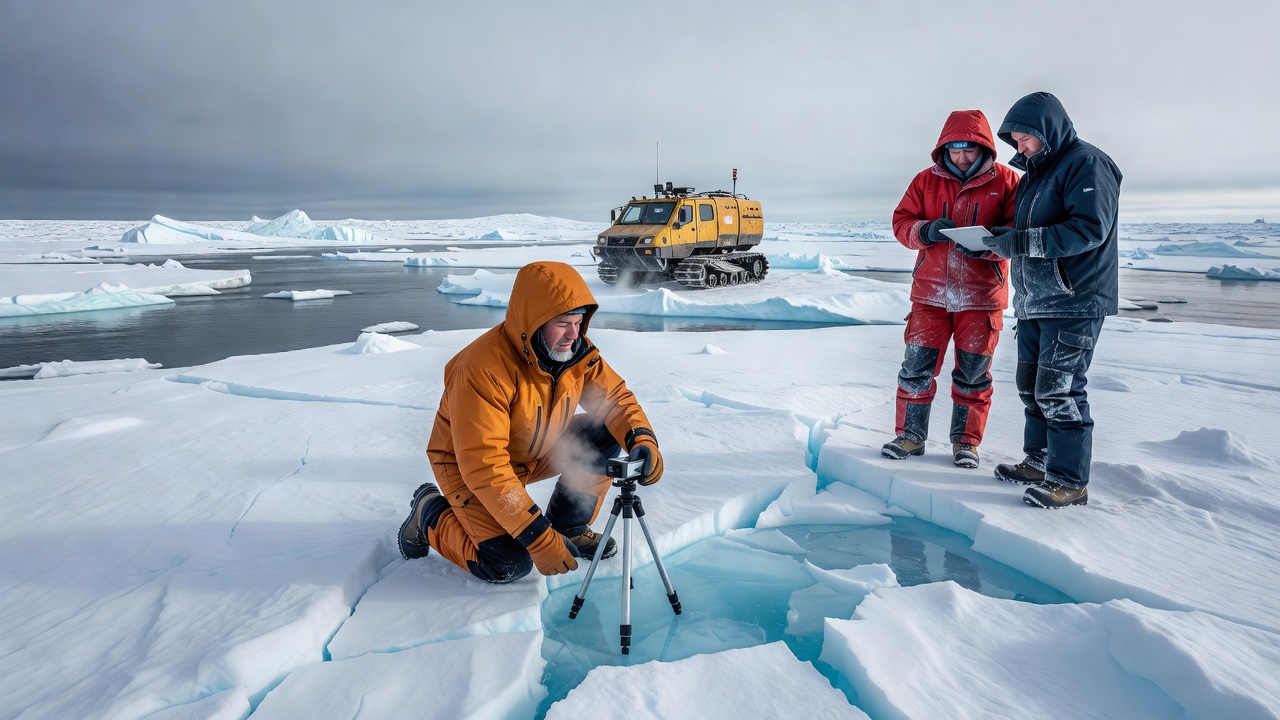
The Polar Research Laboratory has released findings from its latest Arctic expedition, which mapped significant thinning of sea ice across the region. During the three-month journey aboard the research vessel Aurora, scientists collected data using advanced sonar and satellite imaging techniques. The team traversed over 5,000 kilometers, focusing on areas north of the 80th parallel. Measurements indicated an average ice thickness reduction of 1.2 meters compared to records from five years ago. Researchers noted that the thinning is more pronounced in certain sectors, particularly in the Beaufort Sea. This data aligns with models predicting accelerated melt due to rising global temperatures. The expedition also involved international scientists from Norway and Canada. Data was cross-verified with previous missions conducted in 2015 and 2018. Ice core samples showed changes in salinity levels indicating fresher ice due to increased snowfall and melt cycles. These observations help refine predictions for future ice conditions in the Arctic Ocean.
Expedition Details and Methodology
The recorded changes have profound implications for understanding Arctic amplification effects. Polar ecosystems are facing rapid transformations, affecting wildlife such as polar bears and seals that depend on stable ice platforms. Furthermore, the findings contribute to broader climate models used by international bodies. Additional analysis revealed increased presence of melt ponds, which accelerate the albedo feedback loop. The laboratory plans to continue monitoring with autonomous buoys deployed during the expedition. These instruments will provide year-round data transmission to support ongoing studies. Collaborations with other institutions have been strengthened through data sharing agreements. The expedition's success underscores the importance of sustained polar research efforts in the face of environmental change. Long-term monitoring stations established at key sites will track seasonal variations and provide baseline data for future comparisons. The integration of drone surveys allowed for high-resolution mapping of ice floes in previously inaccessible zones.
Implications for Climate Research
Overall the data underscores urgent needs for policy responses to mitigate further polar ice loss and its global consequences including rising sea levels and altered weather patterns worldwide. Continued investment in polar research remains critical for accurate forecasting and environmental protection strategies.